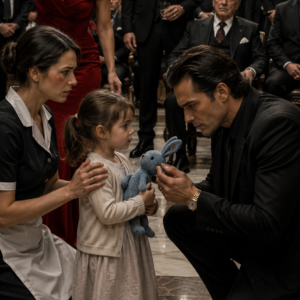
-Ballerina (2026): Ana de Armas Leads a New Chapter in the John Wick Universe With a Story of Revenge and Hidden Loyalties
Ballerina (2026) expands the world of the John Wick franchise by following a young assassin trained in the traditions of the Ruska Roma as she embarks on a mission fueled by vengeance and long-buried truths. Starring Ana de Armas alongside Keanu Reeves, Anjelica Huston, and Norman Reedus, the film shifts the focus to a new protagonist while remaining rooted in the mythology that has defined one of modern action cinema’s most recognizable fictional universes.
The premise is significant because it broadens the franchise beyond John Wick’s personal journey, introducing new conflicts, new alliances, and another perspective on the secretive network of assassins operating beneath ordinary society.

Key Developments: A Personal Mission Evolves Into a Larger Conflict
At the center of Ballerina is a highly trained assassin whose upbringing within the Ruska Roma has shaped both her identity and her lethal abilities. Her mission begins as a deeply personal search for revenge but quickly expands when a powerful criminal organization starts targeting the people she once considered family.
As the danger grows, she finds herself navigating an increasingly complex underworld where every alliance carries consequences and every decision can alter the balance of power.
The conflict extends well beyond one individual.
Assassins from around the world converge as competing interests collide, creating what the synopsis describes as a silent war unfolding beneath the surface of everyday society.
The presence of Keanu Reeves, together with returning elements connected to the Ruska Roma, suggests that the film remains closely linked to the broader mythology established throughout the John Wick series while giving its new lead room to establish her own identity.

Background & Context
The John Wick franchise has steadily expanded its fictional world through interconnected organizations, elaborate codes of conduct, and institutions that govern an international community of professional assassins. Among the most important of these is the Ruska Roma, whose traditions and training played a significant role in John Wick’s own past.
Ballerina explores that corner of the universe from a different perspective. Rather than revisiting familiar events, it introduces another assassin shaped by the same traditions while confronting a distinct set of enemies and motivations.
The shift allows the franchise to develop its mythology without abandoning the stylistic identity that audiences associate with the series. Elegant environments, disciplined combat, and carefully choreographed violence remain central to the world, but the emotional focus moves toward questions of family, loyalty, and personal history.
By centering the narrative on revenge connected to buried truths, the film also reinforces themes that have consistently appeared throughout the franchise while giving them a new emotional context.

Analysis: Expanding the Franchise Through a New Perspective
One of the most notable aspects of Ballerina is its decision to build upon existing mythology without relying exclusively on John Wick himself. This approach enables the franchise to grow organically, demonstrating that the world contains numerous stories beyond its original protagonist.
The concept of assassins converging from across the globe suggests a broader geopolitical dimension, with multiple criminal factions competing in an environment governed by shifting loyalties rather than straightforward battles between heroes and villains.
The contrast between elegance and violence remains another defining characteristic. The synopsis emphasizes refined traditions alongside relentless conflict, reinforcing the visual and thematic identity that has distinguished the franchise since its debut.
The inclusion of revenge as the central motivation also provides a familiar emotional foundation. Rather than presenting violence for its own sake, the narrative frames every confrontation as part of a deeply personal journey shaped by loss, loyalty, and responsibility.
“A compelling action story succeeds when every confrontation reveals as much about its characters as it does about their enemies.”
If the film maintains that balance, it has the potential to deepen the John Wick universe while introducing audiences to a protagonist capable of carrying future stories on her own.

What Works — And What Doesn’t
Based on the available synopsis, several strengths stand out.
- A new lead character whose story expands the established mythology.
- A revenge-driven narrative with personal stakes tied to family and loyalty.
- The continued presence of the Ruska Roma, strengthening connections to the broader franchise.
- Returning characters that help preserve continuity while supporting a fresh perspective.
- A global setting that allows for diverse locations and large-scale action sequences.
At the same time, important details remain undisclosed.
The synopsis provides only limited information about the criminal network, the origins of the central conflict, and the extent of John Wick’s involvement in the narrative. Likewise, the motivations of several supporting characters remain intentionally undefined, leaving room for future reveals.
Those unanswered questions may ultimately become some of the film’s strongest narrative assets if explored thoughtfully within the story itself.
Conclusion
Ballerina (2026) represents an important expansion of the John Wick universe by shifting attention to a new protagonist whose journey combines personal revenge with larger underworld conflicts. Grounded in the traditions of the Ruska Roma and supported by familiar faces from the franchise, the film appears positioned to preserve the distinctive style audiences expect while introducing fresh perspectives on its richly developed mythology.
The combination of international assassins, hidden criminal networks, and emotionally driven storytelling suggests a narrative that values both spectacle and character development. Rather than simply extending an existing franchise, Ballerina aims to demonstrate that the world surrounding John Wick is expansive enough to support compelling stories beyond its original central figure.
Whether through elegant action choreography, evolving alliances, or its exploration of loyalty and vengeance, the film’s premise indicates another chapter that seeks to broaden the scope of one of contemporary action cinema’s most recognizable universes.
Frequently Asked Questions
What is Ballerina (2026) about?
The film follows a young assassin trained by the Ruska Roma who embarks on a mission of revenge after a powerful criminal network begins targeting the people she considers family.
How is Ballerina connected to the John Wick universe?
The story is set within the same fictional world, featuring the Ruska Roma traditions and appearances by established characters, including Keanu Reeves, while introducing a new central protagonist.
Who stars in Ballerina (2026)?
The featured cast includes Ana de Armas, Keanu Reeves, Anjelica Huston, and Norman Reedus.
What themes does the film explore?
The synopsis emphasizes revenge, loyalty, family, hidden truths, and the consequences of living within a secretive international network of assassins.
Will the film feature the franchise’s signature action style?
Based on the available information, the film continues the series’ emphasis on stylized action, elegant combat choreography, and conflicts unfolding within a carefully constructed underworld.